Essential Plumbing Setup for New Tacoma Homes
Jen Woslager • October 1, 2024
At Royal Flush Plumbing LLC, we understand that the foundation of any successful new construction project in Tacoma, WA, relies heavily on the proper installation of plumbing systems. Getting it right the first time is not only a matter of efficiency but also crucial for the longevity and functionality of the property's plumbing infrastructure.
Why Proper Installation Matters
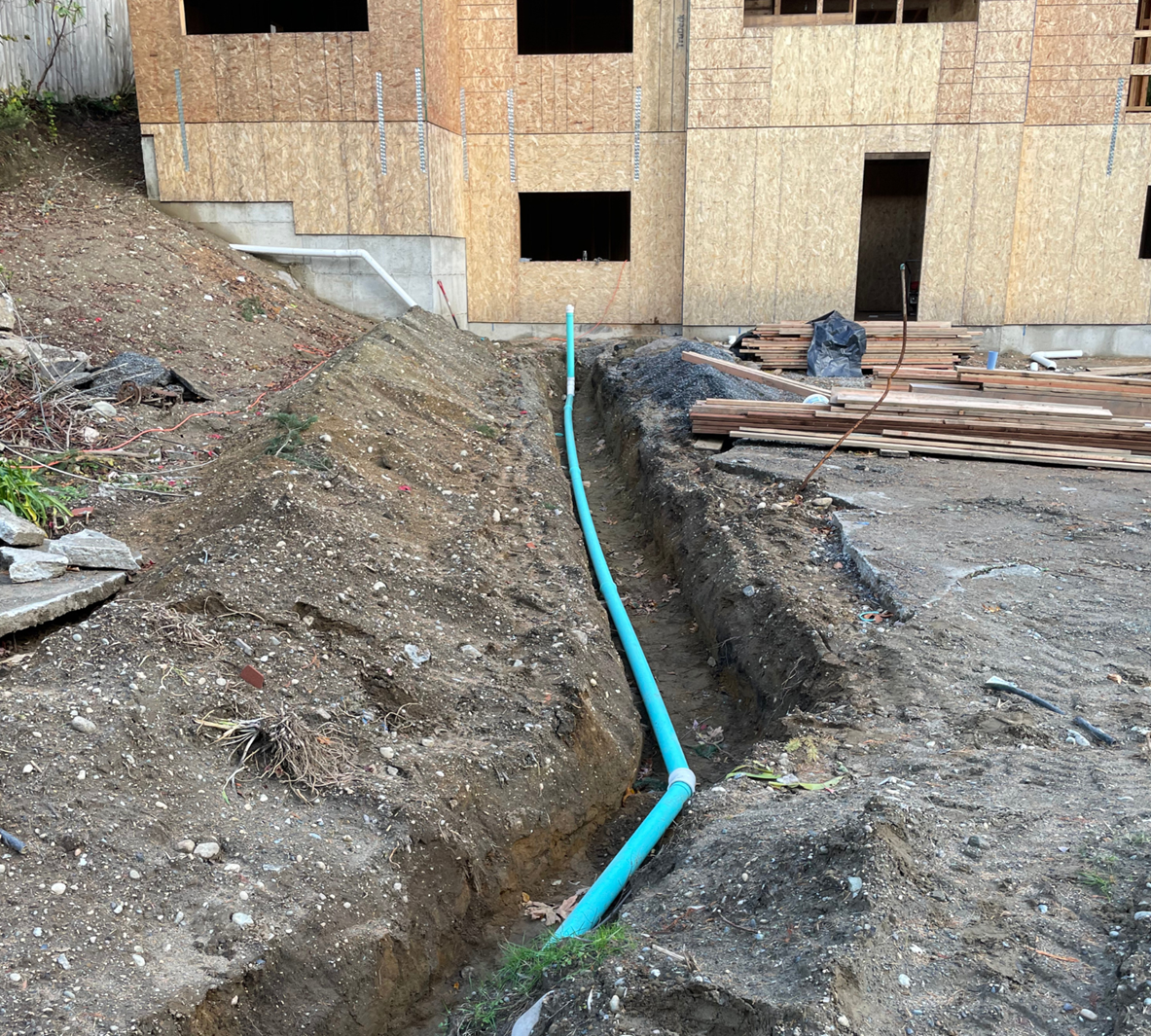
The image showcased in this post captures a crucial phase in a new construction project—installing underground plumbing lines. This stage is foundational because any mistakes made here could lead to serious complications, such as leaks or blockages that can be costly and difficult to rectify after the building is completed.
1. Preventing Future Problems
Proper installation of plumbing in new constructions like the one pictured ensures that all systems are aligned correctly from the start, reducing the risk of future leaks or damages that can arise from poorly laid pipes. In areas like Tacoma, where weather can fluctuate significantly, ensuring that plumbing systems are robust and well-installed is crucial to withstand environmental stresses.
2. Compliance with Local Codes
In Tacoma, WA, adhering to local building codes is not just about following the law—it's about ensuring safety, efficiency, and sustainability of the plumbing systems. Royal Flush Plumbing LLC
ensures that all installations meet or exceed these standards, providing peace of mind and security to property owners and developers.
3. Cost Efficiency
Correct installation the first time around eliminates the need for costly repairs and adjustments in the future. It ensures that the plumbing system is optimized for performance, which can also lead to significant savings in water usage and energy, crucial for keeping utility bills low in the long term.
4. Ensuring Longevity
A well-installed plumbing system extends the lifespan of the pipes and related components. It minimizes wear and tear that can occur from issues such as excessive water pressure, incorrect pipe sizing, or poor connections. Properly installed plumbing systems require less maintenance over the years, which translates to fewer disruptions and more consistent service.
The Installation Process
The process of installing plumbing in new construction involves several key steps:
• Planning and Design:
This includes mapping out the plumbing layout according to the architectural plans and ensuring it complies with local Tacoma codes.
• Material Selection:
Choosing the right materials for piping, fixtures, and fittings that meet the local regulations and are suitable for the Tacoma climate and water type.
• Trenching and Laying Pipes:
As seen in the photo, trenches must be dug to specific depths and pipes laid down carefully to ensure they are protected from potential damage and positioned correctly for optimal function.
• Connection and Testing:
After the pipes are laid, they are connected to the main water line and other systems. This stage is critical to test for leaks and ensure everything is sealed properly.
The Role of Professionals
Professional plumbers like those at Royal Flush Plumbing LLC bring expertise and precision to every project. Here’s how professionals make a difference:
• Expertise in Local Standards:
Knowledge of Tacoma’s specific plumbing codes ensures that all installations are up to standard, reducing the risk of non-compliance issues.
• Advanced Tools and Techniques:
Professional plumbers use the latest tools and follow the best practices to ensure the plumbing is secure and robust.
• Detailed Inspections:
Before, during, and after the installation, inspections are crucial to ensure every part of the plumbing system is functioning correctly and safely.
The installation of plumbing systems in new construction projects, as shown in the image, is a complex but crucial task that lays the groundwork for a building’s functionality. In Tacoma, WA, understanding the significance of getting it right the first time is key to ensuring the longevity, efficiency, and reliability of your plumbing systems.
At Royal Flush Plumbing LLC, we pride ourselves on delivering high-quality plumbing solutions that homeowners and builders can rely on for years to come. If you are starting a new construction project in Tacoma, WA, consider the long-term benefits of hiring experienced professionals like Royal Flush Plumbing LLC
for your plumbing needs. Ensuring your plumbing is expertly installed means less worry down the line and more time enjoying your property.
For more information or to schedule a consultation, contact Royal Flush Plumbing LLC
today. We are here to ensure your next project is a success from the ground up!
Share This Article:
Learn when to repair or replace a leaking faucet. Get expert insights from Royal Flush Plumbing to save water & money. Contact us today!
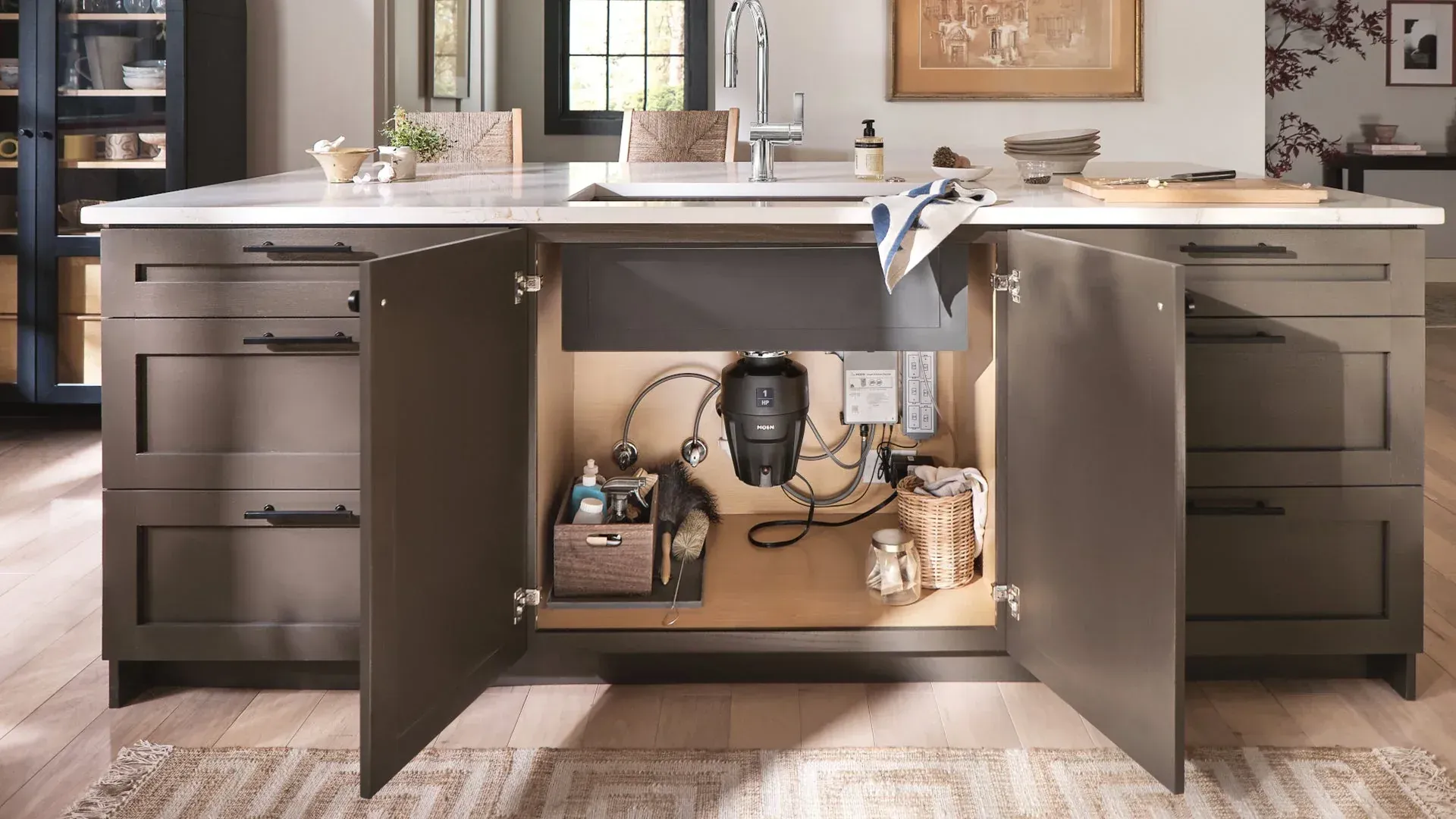
Diagnose humming, jamming, or leaking disposals. Get expert repair services today!
Identify drain cleaning needs vs. sewer line issues. Get expert advice on symptoms & solutions. Contact us for plumbing help!
Most toilet problems start as minor annoyances. A handle that needs a second push. A tank that keeps running. A slight wobble when you sit down. Easy to ignore—until they turn into something more expensive. This guide helps you read what your toilet is telling you, what you can safely try, and when it makes more sense to call a plumber. Quick answer: what your symptom usually means Tank runs constantly or cycles Likely cause: flapper, float, or fill valve What to do: often DIY—check the flapper first Weak or incomplete flush Likely cause: low tank level, mineral buildup, or partial drain issue What to do: check the tank first; call if it points downstream Toilet clogs repeatedly Likely cause: drain line issue What to do: call—plunging won’t fix the cause Water at the base after flushing Likely cause: wax ring failure What to do: call—subfloor risk Toilet rocks or shifts Likely cause: loose bolts or flange issue What to do: check bolts first; call if it persists Sewage backup or multiple fixtures affected Likely cause: mainline or side sewer problem What to do: stop flushing and call emergency service What you can try first Running toilet. Lift the tank lid and check the flapper. If it isn’t sealing, replace it. If water is spilling into the overflow tube, adjust the float or replace the fill valve. Weak flush. Check tank water level—it should sit about an inch below the overflow tube. Also check the rim ports under the bowl edge for mineral buildup and clean if needed. If these fixes solve the problem and it stays solved, you’re done. What to stop doing Don’t keep plunging a recurring clog. If the same toilet clogs repeatedly without an obvious cause, the problem is likely downstream. Plunging only resets the symptom. Don’t flush when other drains are acting up. If multiple fixtures are slow or backing up, this is not a toilet issue. Adding water makes it worse. Don’t ignore a small leak at the base. A slow wax ring leak often dries between uses, but the water is going into the subfloor. The longer it sits, the more expensive the repair becomes. What each symptom usually means Running toilet A running tank is usually a flapper, float, or fill valve issue. These are common wear parts and often straightforward to replace. If the toilet is older and multiple components are failing, it may be worth stepping back and considering replacement instead of repeated repairs . Weak or incomplete flush If the tank level and rim ports check out, the issue may be downstream. A partial blockage in the trapway or drain line can reduce flush performance. If the flush is inconsistent or has gradually worsened, have the drain line assessed. Toilet keeps clogging Start by ruling out what’s being flushed—especially “flushable” wipes, which don’t break down like toilet paper. If usage isn’t the issue, repeated clogs usually point to a blockage further down the line—buildup, roots, or a pipe issue. In that case, it’s a drain line issue, not a toilet issue . Clearing the line properly resolves it. Water at the base Water around the base after flushing usually means the wax ring has failed. Fixing it requires pulling the toilet. The important part isn’t just replacing the ring—it’s checking the condition of the flange and subfloor underneath. Toilet rocking or unstable Start with the floor bolts. If tightening them doesn’t fix it, the flange may be damaged or too low relative to the floor. If the toilet has been rocking for a while, the wax ring may already be compromised. Moisture at the base Condensation can look like a leak, especially in colder months. If the moisture isn’t tied to flushing and improves with ventilation, that’s likely the cause. If it appears after flushing or has any odor, treat it as a leak.2 Repair or replace: a simple way to think about it If the porcelain is sound and the issue is inside the tank or at the seal, repair usually makes sense. Replacement is worth considering when: The toilet is older and has needed multiple repairs It’s an inefficient pre-1994 model using more water per flush The porcelain is cracked (not reliably repairable) The toilet has to come out anyway for other work Multiple components are failing at once At that point, the cost difference between continued repair and replacement narrows. What to expect from a service call When you call, we start with a diagnosis—what’s causing the symptom, not just what part to swap. We explain what we find and give you an upfront price before work begins. Most toilet repairs can be handled in a single visit. For more involved work—like a wax ring replacement or flange repair—we’ll show you what’s underneath and walk through your options. Our toilet repair and replacement service covers everything from simple component swaps to full replacement and installation. When it can’t wait Water actively leaking onto the floor: shut off the supply valve and call emergency plumbing service Sewage backup in the toilet, tub, or floor drain: likely a side sewer problem —do not flush No working toilet in a single-toilet home: call For everything else, it’s better to fix the problem before it gets more expensive. Call Royal Flush Plumbing at (253) 215-9024 or schedule service .
Slow or clogged drains in Tacoma? Learn what your drains are telling you, when DIY stops working, and what professional drain cleaning actually involves.
When homeowners in Tacoma and Pierce County start researching plumbing repairs or a whole-home repipe, one of the first questions is simple but important: What type of pipe should I use for my home and climate? The answer is not universal. The Pacific Northwest has specific factors that directly affect pipe performance, including freezing temperatures, older housing stock, and legacy materials like galvanized steel. Choosing the right pipe material means accounting for local weather, water quality, and long-term reliability , not just cost. Below, we break down modern pipe materials worth investing in for Tacoma-area homes , followed by a brief explanation of outdated materials commonly found in older houses and why they are no longer recommended . Modern Plumbing Pipe Materials for Tacoma & Pierce County Homes These materials are actively used today and suitable for repairs, upgrades, and whole-home repipes in Western Washington. PEX (Cross-Linked Polyethylene) Common use cases: Whole-home repipes in Tacoma and Pierce County Homes with crawlspaces, attics, or finished walls Properties exposed to winter freeze risk Pros: Expands when frozen, making it far less likely to burst during cold snaps Resistant to corrosion and scale buildup Flexible installation requires fewer wall openings Excellent option for retrofitting older homes Lower installation cost than copper Cons: Can be damaged by rodents if not properly protected Must be shielded from prolonged UV exposure Can absorb odors or chemicals if installed in contaminated soil Requires proper fastening to avoid movement or noise Why PEX is popular in Tacoma: Freeze resistance is a major advantage in Western Washington. Unlike copper, PEX can tolerate freezing conditions without splitting, making it a strong choice for homes with vulnerable pipe runs. Copper Pipes Common use cases: Hot and cold water supply lines Homes prioritizing longevity and resale value Situations with easy pipe access Pros: Extremely durable with a long service life Naturally resistant to bacteria growth Performs well with hot water Widely trusted by inspectors and home buyers Cons: Susceptible to pinhole leaks in acidic water conditions Rigid material increases wall access and labor costs Can amplify water hammer noise if not secured properly More likely to burst when frozen compared to PEX Copper and local water conditions: Tacoma’s municipal water is generally considered soft, which reduces corrosion risk. However, many older homes still have galvanized piping upstream, which can contribute to uneven water chemistry and long-term copper wear. PVC (Polyvinyl Chloride) Common use cases: Drain, waste, and vent (DWV) systems Sewer and side sewer lines Pros: Lightweight and affordable Resistant to corrosion and root intrusion Long lifespan when used for drainage Cons: Not suitable for pressurized water supply Not rated for hot water lines When PVC is appropriate: PVC is the modern standard for drainage systems but should never be used for interior water supply lines. CPVC (Limited Use Material) How CPVC is used today: CPVC may still be encountered in repairs or small additions, but it is rarely recommended for whole-home repipes in Tacoma. Why CPVC has fallen out of favor: Becomes brittle with age, especially in colder environments Prone to cracking during future repairs or modifications Offers few advantages over PEX while sharing many drawbacks For most full-home repipes in Pierce County, PEX has largely replaced CPVC due to better durability and freeze tolerance. Outdated and Discontinued Pipe Materials in Older Tacoma Homes Many homes in Tacoma and surrounding areas still contain legacy piping materials that are now considered unreliable or high-risk. Galvanized Steel Pipes Galvanized steel corrodes internally over time, restricting water flow and causing rust-colored water. As corrosion progresses, pipes become prone to leaks and sudden failure. In Tacoma homes built decades ago, galvanized piping is often the primary reason homeowners pursue full repipes rather than ongoing repairs. Polybutylene Pipes Polybutylene piping has a well-documented history of cracking and failure, often without warning. It reacts poorly with common water treatment chemicals and is frequently rejected by homeowner insurance providers. Homes with polybutylene piping are strong candidates for proactive repiping. Choosing the Right Pipe Material for Your Home The best pipe material depends on: Your home’s age and construction style Exposure to freezing temperatures Existing pipe materials and layout Long-term plans for the property In many Tacoma-area homes, the most effective solution is PEX for water supply lines combined with PVC for drainage , while replacing outdated materials like galvanized steel or polybutylene entirely. A professional inspection is the best way to determine what materials are currently in your home and which options make the most sense moving forward. When to Talk to a Local Plumbing Professional If you are experiencing recurring leaks, low water pressure, frozen pipes, or water quality issues, pipe material may be part of the problem. A licensed local plumber can evaluate your system and help you decide whether targeted repairs or a full repipe is the better investment. Understanding pipe materials puts you in control of the decision and helps you plan confidently for the future of your home’s plumbing system. Need Help Choosing the Right Pipe Material? Royal Flush Plumbing works with homeowners throughout Tacoma and Pierce County to evaluate existing plumbing systems and recommend practical, code-compliant solutions tailored to local homes and conditions. Contact Royal Flush Plumbing today to schedule a professional inspection or discuss your repipe options.