Plumbing Guides and Local Advice for Tacoma & Pierce County Homeowners
Plumbing problems in Tacoma and Pierce County tend to follow patterns — galvanized pipes in homes built before 1980, drain backups in wet winters,
water heaters that fail quietly until the cold shower arrives. These guides are written around what we see on actual jobs across the South Sound: what's causing it, what homeowners can safely check themselves, and when calling a licensed plumber is the right move. Topics cover drains, sewers, water heaters, pipes and repiping, new construction, and bathroom fixtures — with specific context for local housing stock and water conditions.


Not Sure What Your Plumbing Needs? Start With a Call.
Most plumbing questions are easier to answer with a quick call than a search. We diagnose over the phone when we can, and we give upfront pricing before any work starts. If you're not sure whether your situation needs a plumber, call us — the answer is free.
Common Plumbing Questions For Tacoma Homeowners
Plumbing problems raise a lot of questions before you pick up the phone. Here are answers to the ones that come up most.
How do I know when a plumbing problem needs a licensed plumber versus something I can handle myself?
The dividing line is usually downstream. Slow single drain, dripping faucet, running toilet, these are often DIY-able. Anything involving multiple fixtures slowing at once, active leaks, water heater failure, or anything behind a wall or under a slab needs a licensed plumber. Diagnosing the wrong thing and trying to fix it yourself typically makes the actual repair more expensive.
Does Tacoma have hard water, and does it affect my plumbing?
Tacoma's water supply from the Green River Watershed is considered soft relative to most of Washington because of low mineral content. That said, it's not zero, and sediment buildup in water heater tanks and aerators still accumulates over time. If you're on a well rather than city water, conditions vary significantly and your pipes and water heater will show it faster.
What are the most common plumbing problems in older Tacoma homes?
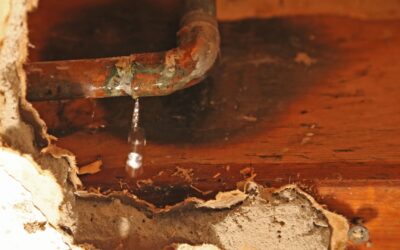
Homes built before 1980 commonly have galvanized steel supply pipes, which corrode from the inside out. The signs are reduced water pressure, rust-colored water from older fixtures, and small leaks that keep coming back in different spots. Homes from the 1980s and early 1990s may also have polybutylene pipe, which cracks unpredictably and is often flagged by home inspectors and insurers. Both are candidates for repiping rather than ongoing repairs.
What should I do first when I have a plumbing emergency?
Shut off the water supply to the affected fixture, or shut off the main if you can't isolate it. Turn off power to any electrical panel near standing water. Don't use chemical drain cleaners or attempt to patch active leaks, both create problems for whoever is coming to fix it properly. Then call. We can usually diagnose over the phone whether it needs same-day response.
How long does a whole-home repipe take in a typical Pierce County home?
Most single-family homes take one to two days for the rough work, depending on size and access. The home stays livable throughout. We shut water off in sections as we work. Walls typically get patched in a separate pass once the inspection clears. Permits are required in Pierce County and we handle them.
When does a water heater need to be replaced rather than repaired?
If the tank itself is leaking, replacement is the only real option. Tank leaks don't get better and the structural integrity of the tank is gone. For component failures (heating element, thermostat, pressure valve), repair makes sense on units under 8–10 years old. Over 10–12 years, especially if it's the second or third repair, replacement is usually the better investment. Tankless units have longer service lives but higher upfront costs, worth discussing before committing either direction.
Drains, Clogs, and Side Sewers
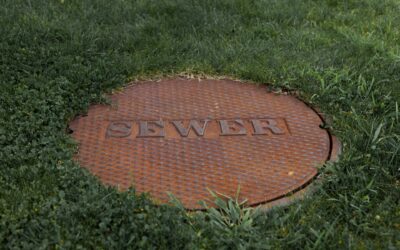
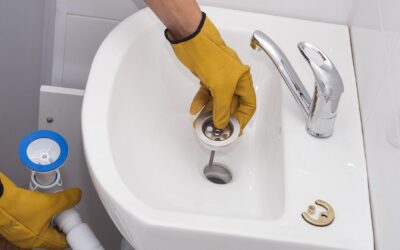
Drain problems in Tacoma homes split into two categories that look similar on the surface but have completely different causes. A single slow drain is almost always a localized clog — hair, grease, soap buildup — and often fixable without a plumber. Multiple slow fixtures at the same time point to the main drain line, and snaking individual fixtures won't fix it. Tacoma's side sewer regulations add another layer: the pipe connecting your home to the city main is your responsibility as a homeowner, all the way to the connection point. Most homeowners don't know this until something backs up badly enough to require excavation. Our drain cleaning service covers everything from kitchen sink clogs to main line hydro jetting.
Water Heaters
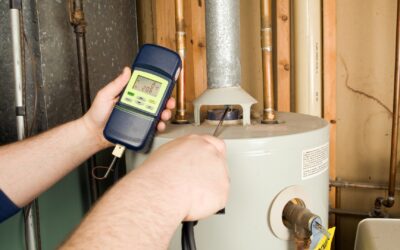
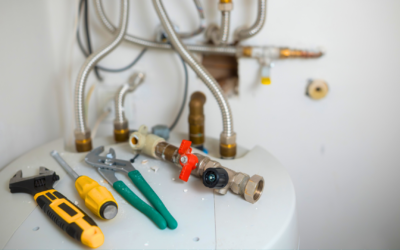
Water heater calls make up a significant share of our South Sound workload, and Puyallup in particular generates more of them than anywhere else we serve — older housing stock with units that were never replaced after the original install. The failure modes are consistent: no hot water, inconsistent temperature, a small leak that turns into a big one, or a unit old enough that the next repair costs more than it's worth. Our guides cover when to repair versus replace, how to read the warning signs before failure, and what the shift to tankless actually involves in practice for a Pierce County home.
Pipes and Whole-Home Repiping
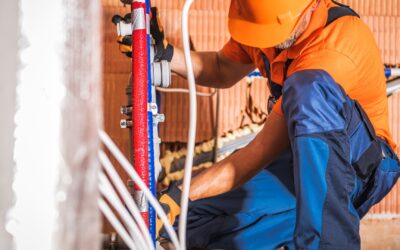
Repiping is the service most homeowners delay longer than they should, usually because the signs are gradual. Dropping water pressure. Rust-colored water from older fixtures. Small leaks in different spots that keep coming back. In pre-1980 Tacoma homes, galvanized steel is the most common culprit — it corrodes from the inside out and can't be cleaned or repaired back to reliable performance. PEX has become the standard replacement material for Pierce County repipes because of its freeze tolerance and flexibility in older wall cavities. Our home repiping service covers full system replacement as well as targeted pipe repair when the scope doesn't warrant a full repipe.
New Construction and Rough-In Plumbing
Plumbing decisions made during new construction are the hardest to correct later. Fixture placement, drain slope, vent stack location — these get locked behind drywall and affect the home's plumbing performance for decades. The guides in this section are written for homeowners working through new builds or significant additions in Tacoma and the South Sound, covering layout planning, Washington State code requirements, and the mistakes that consistently add cost and delay when caught at inspection rather than rough-in. Our rough-in plumbing service covers both residential new construction and commercial projects.
Bathrooms and Fixtures
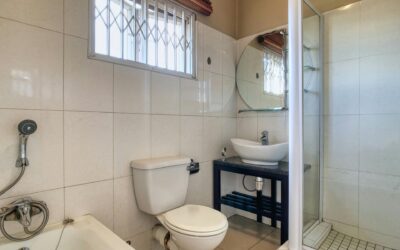
Bathroom plumbing problems are often dismissed longer than they should be because they start small. A running toilet that cycles at night. A faucet that drips. A toilet that shifts slightly when you sit down. Each has a specific cause with a clear point at which DIY stops making sense — and a point where the repair cost approaches replacement. The guides here cover reading those signs accurately, what a service call involves for common bathroom repairs, and when a fixture upgrade is worth doing alongside the repair. Toilet repair and replacement, faucet service, and bathroom fixture installation are the most common calls in this category.
Maintenance and Local Tacoma Plumbing
Preventive plumbing maintenance in South Sound homes comes down to a short list: flushing sediment from water heater tanks annually, clearing aerators and showerheads of mineral buildup, checking supply line connections under sinks, and knowing the location of your main shutoff before you need it in an emergency. Tacoma's soft water supply reduces mineral scaling compared to harder water regions, but it doesn't eliminate it entirely. These guides cover what regular maintenance actually accomplishes for Pierce County homes, how local water conditions affect equipment longevity, and what emergency plumbing response looks like when something can't wait.