Proper Tub Installation Guide for Lakewood, WA Homeowners

Allison Woslager • June 25, 2024

Learn essential steps for proper tub installation in Lakewood, WA. Ensure a professional, long-lasting bathtub setup with tips from Royal Flush Plumbing.


A properly installed bathtub can transform your bathroom into a relaxing oasis, but getting the installation right is crucial to avoid future issues. At Royal Flush Plumbing in Lakewood, WA, we specialize in ensuring that your bathtub is installed correctly and efficiently. Here's a comprehensive guide on the proper installation of a tub to help you understand the process and the importance of professional installation.
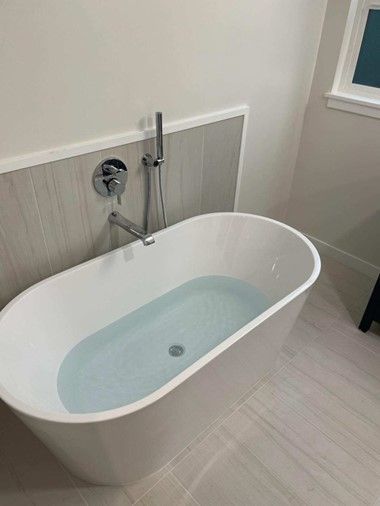

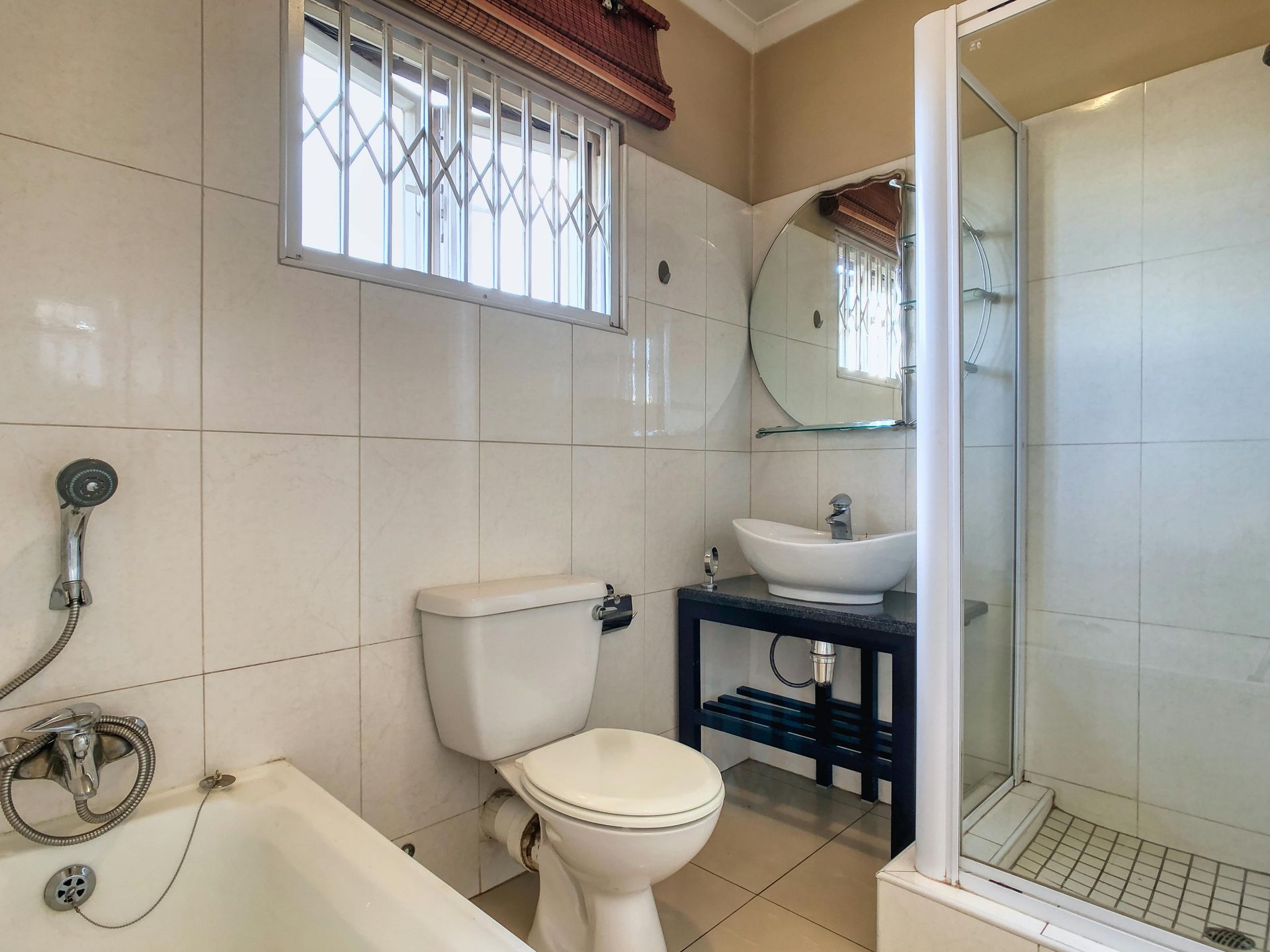
A white bathtub with blue water in a bathroom by royal flush plumbing in tacoma.

1. Planning and Preparation

Before starting the installation, careful planning and preparation are essential. This stage involves selecting the right tub, measuring the space, and ensuring that all necessary tools and materials are ready.

  • Choose the Right Tub: Select a bathtub that fits your bathroom's dimensions and meets your needs, whether it’s a standard tub, a soaking tub, or a whirlpool model.
  • Measure Accurately: Measure the space where the tub will be installed to ensure a perfect fit. Account for the plumbing, walls, and any surrounding fixtures.
  • Gather Tools and Materials: Ensure you have all the necessary tools, such as wrenches, screwdrivers, caulk, plumber's putty, and the tub installation kit.

2. Removing the Old Tub

If you are replacing an existing tub, carefully remove the old one without damaging the surrounding area.

  • Turn Off Water Supply: Ensure the water supply to the bathroom is turned off before starting any work.
  • Disconnect Plumbing: Disconnect the drain, overflow, and water supply lines. Use a wrench to loosen connections.
  • Remove Surrounding Fixtures: Remove any fixtures like faucets and handles attached to the old tub.

3. Preparing the Installation Area

Properly preparing the installation area is crucial for a smooth process.

  • Inspect the Subfloor: Check the subfloor for any damage or signs of rot. Repair or replace it if necessary to ensure a solid foundation for the new tub.
  • Clean the Area: Clean the installation area thoroughly, removing any debris or old caulk.
  • Install a Mortar Bed: Depending on the tub type, you may need to install a mortar bed to provide additional support and prevent movement.

4. Installing the New Tub

The actual installation of the new tub requires precision and care.

  • Position the Tub: Carefully place the new tub into the installation area, ensuring it is level and properly aligned with the drain and plumbing connections.
  • Connect Plumbing: Reconnect the drain, overflow, and water supply lines. Use plumber’s putty to ensure a watertight seal around the drain.
  • Secure the Tub: Secure the tub to the wall studs using the brackets or flanges provided in the installation kit. Make sure the tub is firmly anchored.

5. Finishing Touches

After installing the tub, add the finishing touches to complete the job.

  • Apply Caulk: Apply a bead of silicone caulk around the edges of the tub where it meets the wall. Smooth the caulk with a tool or your finger for a clean finish.
  • Install Fixtures: Reinstall any fixtures like faucets, handles, and showerheads. Ensure all connections are tight and there are no leaks.
  • Test the Installation: Turn on the water supply and test the tub for leaks. Fill the tub with water to check the drain and overflow functionality.

6. Professional Installation Matters

While DIY projects can be rewarding, the proper installation of a tub is best left to professionals to ensure safety and longevity.

  • Expertise: Professional plumbers have the expertise to handle complex installations and unexpected issues.
  • Warranty and Guarantee: Hiring a professional ensures that your installation is covered by warranties and guarantees, providing peace of mind.

Conclusion

A properly installed bathtub can enhance the functionality and aesthetics of your bathroom. At Royal Flush Plumbing in Lakewood, WA, we are committed to providing expert installation services to ensure your tub is installed correctly and efficiently.


For professional tub installation services or any plumbing needs, contact us today. Our experienced team is here to help you achieve the bathroom of your dreams with top-quality workmanship and exceptional customer service.

Share This Article:
December 2, 2025
There's nothing quite like the shock of stepping into a morning shower only to be hit with ice-cold water. Or finding a puddle around your water heater. Or fiddling with the pilot light for the third time this month, wondering why it won't stay lit. When your water heater starts acting up, you face an immediate question: Can this be fixed, or is it time for a new one? Getting it right can save you hundreds—or even thousands—of dollars. Let's walk through what you need to know. Average Lifespan of Water Heaters Traditional tank water heaters (gas and electric) typically last 8 to 12 years . Gas models may wear out closer to 8-10 years, while electric tanks often reach 10-12 years with proper care. Tankless water heaters can last 15 to 20 years or more with regular maintenance. The trade-off is higher upfront cost, but extended lifespan often balances that out. Several factors shorten lifespan: hard water accelerates corrosion, sediment creates hot spots that damage tank lining, and neglected maintenance turns small problems into big ones. If your water heater is approaching its expected lifespan, have a professional look—even if it's still working. Catching problems early gives you time to plan rather than scrambling for emergency replacement. Signs It's Time to Replace Some symptoms mean it's time to shop for a new water heater: Rusty or discolored water from hot taps signals tank corrosion. Once rust starts, it doesn't stop—and a corroded tank will eventually leak. Leaks or moisture at the tank base mean the inner lining has failed. There's no fixing this. If you see water pooling, plan for replacement immediately before a small leak becomes a flood. Loud popping or rumbling noises indicate serious sediment buildup. If your water heater sounds like a popcorn machine, damage may already be done to heating elements or tank lining. Repeated pilot light failures on gas units—especially after replacing the thermocouple—suggest deeper problems with the gas valve or control system. Rising energy bills without increased usage signal lost efficiency. An aging unit works harder to deliver the same hot water, driving up utility costs monthly. Age plus any major issue is the clincher. If your water heater is over 10 years old and showing these symptoms, replacement almost always makes more financial sense than repair. When a Repair Might Be Enough Not every problem means game over. Some fixes are straightforward and cost-effective: Thermostat issues on electric heaters are inexpensive to fix Heating element replacement restores full function for a fraction of replacement cost Pilot light components like thermocouples are relatively cheap to replace Pressure relief valve replacement is a simple safety-critical fix Annual maintenance like flushing and anode rod checks prevent major problems The key question: How old is your unit? Under 6 years with a minor repair? Fix it. Over 10 years? Even modest repair costs might be better spent toward a new, efficient unit. Upgrade Options for Tacoma Homes Tankless water heaters offer compelling benefits: endless hot water on demand, 20-30% energy savings, space savings with wall mounting, and 15-20+ year lifespan. Trade-offs include higher upfront cost (2-3 times a tank heater), proper sizing requirements for peak demand, and installation complexity that may require upgraded gas lines or electrical service in older homes. Good news for Tacoma homeowners: many older homes in Stadium District, North End, Hilltop, and surrounding neighborhoods can accommodate tankless retrofits with minimal modifications. A qualified plumber can assess your setup. If tankless doesn't fit your budget or home, upgrading to a high-efficiency tank water heater still delivers significant energy savings. Cost Factors and Timelines Repairs: Most complete in 1-2 hours during a single service call. Common repairs typically range from $150 to $500. Replacements: Tank-to-tank replacement takes 2-4 hours. Tankless installations may take a full day or two visits. A reputable plumber provides clear diagnosis before starting work, explains options honestly, offers upfront pricing, and discusses financing if needed. Many companies offer payment plans that make upgrading affordable. Maintenance to Extend Lifespan Flush annually to remove sediment buildup. Set temperature to 120°F —hot enough for household use while reducing corrosion and energy waste. Check the anode rod every 2-3 years; replacing this $20 part beats replacing a $1,200 heater. Schedule professional inspections if your unit is over 6 years old. Don't Gamble With Your Hot Water Water heater problems rarely resolve themselves. That strange noise or occasional cold shower is your first warning—ignoring it risks complete breakdown at the worst time. Ready to find out what's going on? Schedule an inspection today. We'll give you an honest assessment, explain your options clearly, and help you make the right decision for your home and budget.  Serving Tacoma homeowners with straightforward plumbing solutions. Because you deserve reliable hot water—and honest answers.
Rainy day view from a porch, showing a wet path, green bushes, and trees.
October 31, 2025
Learn what Tacoma homeowners are responsible for when it comes to side sewers. We explains who maintains what, common problems in older homes, and how camera inspections and repairs can prevent costly sewer backups.
Dripping Kitchen Faucet
September 30, 2025
Ignoring a dripping faucet can waste 3,000+ gallons yearly. Learn how quick faucet repair saves Tacoma homeowners money and prevents water damage.
A room under construction with a window and pipes hanging from the ceiling.
By Jen Woslager October 15, 2024
This guide aims to educate Puyallup homeowners on the basic framework and common challenges of residential plumbing, empowering you with the knowledge to manage and maintain your system effectively.
A man is standing in the dirt next to a blue pipe.
By Jen Woslager October 1, 2024
Learn why correct plumbing installation is crucial in new Tacoma constructions for durability, compliance, and cost efficiency.
A water heater is sitting in a room next to a wall.
By Jen Woslager September 16, 2024
Keep your home or office comfortable with expert water heater repair and installation by Royal Flush Plumbing in Puyallup, WA. Contact us today!
See More Posts

Schedule Service Using The Form Below

Blog Contact Form