Side Sewers: What Homeowners Are Actually Responsible For

October 31, 2025

If you’ve lived in Tacoma long enough, you’ve heard the horror story: sewage backing up into a basement during a rainstorm, or a soggy yard that just won’t dry out. When disaster strikes, most homeowners assume the city will handle it—after all, “sewer problems” sounds like city business, right?


Not quite.


Here’s the truth many Tacoma homeowners don’t realize until they’re ankle-deep in trouble: you own and maintain the side sewer line from your house to the city’s main. When something goes wrong with that line, the repair bill comes out of your pocket—not the city’s.


What Is a Side Sewer?

In plumbing terms, the side sewer (also called the lateral sewer or service line) runs underground from your home, across your yard (and possibly under your driveway or street), to connect at the city’s main sewer line.

  • You maintain: the pipe from your house all the way to where it connects with the city main. That includes utility cleanouts, your yard, driveway piping (if any), and the section under or beside the street where your connection joins.
  • The city maintains: the main sewer line and everything downstream toward the treatment plant.

So if tree roots invade your side sewer, or an old clay pipe collapses, that’s your problem. The city steps in only when the main line fails.


For homeowners in the Tacoma area served by Royal Flush Plumbing—especially in older neighborhoods where homes were built decades ago—this distinction matters.


Common Side Sewer Problems in Tacoma

Given Tacoma’s terrain, climate, and housing stock, several issues tend to crop up:


  • Root intrusion: Mature trees (maples, alders, etc.) along Tacoma streets often have roots that seek moisture in aging sewer lines. They enter through cracks, joints and force major backups.
  • Cracked, collapsed or deteriorating pipe material: Homes built before the 1970s may still have clay or underspecified pipe that gets brittle or corrodes.
  • Slope and soil movement: Tacoma’s hills and shifting soils mean your side sewer may sag, creating low spots where waste pools and clogs form.
  • Grease, oil and foreign-material buildup: Pouring fats down the drain, “flushable” wipes, or other materials can slowly cause major blockages—especially when combined with the above structural issues.


At Royal Flush Plumbing, we regularly diagnose these types of side-sewer problems during our drain-cleaning, pipe-repair, and camera-inspection services.


Signs Your Side Sewer Might Be Failing

If you see or smell any of the following, it’s time to call in a professional:

  • Gurgling drains when you flush the toilet or run the washing machine.
  • Sewage smell in your basement, crawl space or yard.
  • Multiple fixtures backing up at once (for instance, the tub and laundry both slow).
  • Soggy or persistently damp patches in your yard near where the side sewer runs.
  • Sewage in your basement—especially during heavy rain.

If your toilet gurgles when you start the shower, or your basement floor drain backs up, you’re likely dealing with a side-sewer issue, not just a simple clogged sink.


Inspection and Repair Options

Here’s how Royal Flush Plumbing tackles these problems for Tacoma homeowners:


Camera inspection is the gold-standard diagnostic. We send a waterproof camera through your clean-out to record video of the pipe’s interior, revealing root intrusion, cracks, collapse or foreign-material buildup. This helps you make a data-driven decision instead of guessing.


Once we know what’s wrong, you have options:

  • Spot repair: Ideal when damage is localized (for example a root press-through or small crack). Most cost-effective.
  • Trenchless repair: Great for Tacoma yards. Methods like pipe-lining or pipe-bursting minimize excavation, protect landscaping or driveways, and complete faster.
  • Full replacement: Makes sense when the entire side sewer is deteriorating—better than constant repeated repairs.


Because Royal Flush offers full plumbing services in Tacoma (not just drain cleaning) we can combine side sewer work with other

improvements (for example new sump pump, pipe repipe, or drain work) if necessary. 


Preventing Future Issues

You don’t have to wait for disaster. Here are proactive steps for Tacoma homeowners:

  • Get your side sewer inspected every 3-5 years if your home is over 30 years old and has large trees nearby.
  • Adopt good disposal habits:
  • Never pour grease or cooking oil down the drain.
  • Use sink strainers.
  • Avoid “flushable” wipes—they often cause backups.
  • Timing matters: Schedule an inspection or preventive cleaning in the fall before Tacoma’s heavy winter rains, to prevent January or February backups.


Don’t Wait for a Crisis

That slow drain today becomes a sewage backup tomorrow—often at 10 p.m. on a holiday weekend. At Royal Flush Plumbing we believe an upfront camera inspection can save thousands in emergency repair costs.


Whether you need routine cleaning, detailed inspection, or emergency repair of your side sewer, you don’t have to face it alone. Reach out to us—we serve Tacoma and surrounding South Sound areas.


Call now to schedule your inspection or drain cleaning service. Get ahead of the problem before it becomes a nightmare. Your side sewer is your responsibility—but you don’t have to handle it on your own.

Share This Article:

December 2, 2025
There's nothing quite like the shock of stepping into a morning shower only to be hit with ice-cold water. Or finding a puddle around your water heater. Or fiddling with the pilot light for the third time this month, wondering why it won't stay lit. When your water heater starts acting up, you face an immediate question: Can this be fixed, or is it time for a new one? Getting it right can save you hundreds—or even thousands—of dollars. Let's walk through what you need to know. Average Lifespan of Water Heaters Traditional tank water heaters (gas and electric) typically last 8 to 12 years . Gas models may wear out closer to 8-10 years, while electric tanks often reach 10-12 years with proper care. Tankless water heaters can last 15 to 20 years or more with regular maintenance. The trade-off is higher upfront cost, but extended lifespan often balances that out. Several factors shorten lifespan: hard water accelerates corrosion, sediment creates hot spots that damage tank lining, and neglected maintenance turns small problems into big ones. If your water heater is approaching its expected lifespan, have a professional look—even if it's still working. Catching problems early gives you time to plan rather than scrambling for emergency replacement. Signs It's Time to Replace Some symptoms mean it's time to shop for a new water heater: Rusty or discolored water from hot taps signals tank corrosion. Once rust starts, it doesn't stop—and a corroded tank will eventually leak. Leaks or moisture at the tank base mean the inner lining has failed. There's no fixing this. If you see water pooling, plan for replacement immediately before a small leak becomes a flood. Loud popping or rumbling noises indicate serious sediment buildup. If your water heater sounds like a popcorn machine, damage may already be done to heating elements or tank lining. Repeated pilot light failures on gas units—especially after replacing the thermocouple—suggest deeper problems with the gas valve or control system. Rising energy bills without increased usage signal lost efficiency. An aging unit works harder to deliver the same hot water, driving up utility costs monthly. Age plus any major issue is the clincher. If your water heater is over 10 years old and showing these symptoms, replacement almost always makes more financial sense than repair. When a Repair Might Be Enough Not every problem means game over. Some fixes are straightforward and cost-effective: Thermostat issues on electric heaters are inexpensive to fix Heating element replacement restores full function for a fraction of replacement cost Pilot light components like thermocouples are relatively cheap to replace Pressure relief valve replacement is a simple safety-critical fix Annual maintenance like flushing and anode rod checks prevent major problems The key question: How old is your unit? Under 6 years with a minor repair? Fix it. Over 10 years? Even modest repair costs might be better spent toward a new, efficient unit. Upgrade Options for Tacoma Homes Tankless water heaters offer compelling benefits: endless hot water on demand, 20-30% energy savings, space savings with wall mounting, and 15-20+ year lifespan. Trade-offs include higher upfront cost (2-3 times a tank heater), proper sizing requirements for peak demand, and installation complexity that may require upgraded gas lines or electrical service in older homes. Good news for Tacoma homeowners: many older homes in Stadium District, North End, Hilltop, and surrounding neighborhoods can accommodate tankless retrofits with minimal modifications. A qualified plumber can assess your setup. If tankless doesn't fit your budget or home, upgrading to a high-efficiency tank water heater still delivers significant energy savings. Cost Factors and Timelines Repairs: Most complete in 1-2 hours during a single service call. Common repairs typically range from $150 to $500. Replacements: Tank-to-tank replacement takes 2-4 hours. Tankless installations may take a full day or two visits. A reputable plumber provides clear diagnosis before starting work, explains options honestly, offers upfront pricing, and discusses financing if needed. Many companies offer payment plans that make upgrading affordable. Maintenance to Extend Lifespan Flush annually to remove sediment buildup. Set temperature to 120°F —hot enough for household use while reducing corrosion and energy waste. Check the anode rod every 2-3 years; replacing this $20 part beats replacing a $1,200 heater. Schedule professional inspections if your unit is over 6 years old. Don't Gamble With Your Hot Water Water heater problems rarely resolve themselves. That strange noise or occasional cold shower is your first warning—ignoring it risks complete breakdown at the worst time. Ready to find out what's going on? Schedule an inspection today. We'll give you an honest assessment, explain your options clearly, and help you make the right decision for your home and budget.  Serving Tacoma homeowners with straightforward plumbing solutions. Because you deserve reliable hot water—and honest answers.
Dripping Kitchen Faucet
September 30, 2025
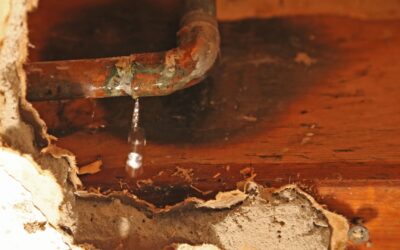
Ignoring a dripping faucet can waste 3,000+ gallons yearly. Learn how quick faucet repair saves Tacoma homeowners money and prevents water damage.
A room under construction with a window and pipes hanging from the ceiling.
By Jen Woslager October 15, 2024
This guide aims to educate Puyallup homeowners on the basic framework and common challenges of residential plumbing, empowering you with the knowledge to manage and maintain your system effectively.
A man is standing in the dirt next to a blue pipe.
By Jen Woslager October 1, 2024
Learn why correct plumbing installation is crucial in new Tacoma constructions for durability, compliance, and cost efficiency.
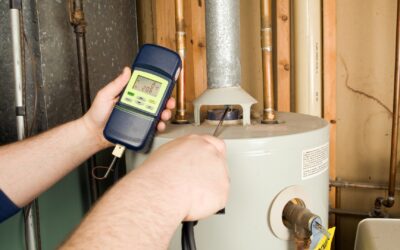
A water heater is sitting in a room next to a wall.
By Jen Woslager September 16, 2024
Keep your home or office comfortable with expert water heater repair and installation by Royal Flush Plumbing in Puyallup, WA. Contact us today!
A bathroom with a bathtub and a shower.
By Jen Woslager September 3, 2024
Transform your bathroom with Royal Flush Plumbing. From fixtures and plumbing installation to full renovations. Get quality craftsmanship and personalized service.
See More Posts

Schedule Service Using The Form Below

Blog Contact Form