Water heater maintenance depends on the type of system in your home, not a fixed date on a calendar. A tank water heater, a tankless unit, a gas model, an electric model, and a heat pump water heater each age and fail in different ways. The right maintenance schedule follows the equipment, not a generic yearly reminder.
This guide covers what maintenance actually means for each system type, what Tacoma’s water conditions add to the picture, and where the line sits between routine upkeep, a repair, and a decision to replace the unit.
Start With Your System Type
Before any maintenance schedule makes sense, identify what you actually have.
Electric Water Heaters
Electric water heaters store and heat a set volume of water, commonly 40 to 50 gallons for a household, using heating elements submerged in the tank. Sediment settles at the bottom of the tank over time, and scale can build up directly on the elements, both of which affect heating efficiency and tank life.
Gas Water Heaters
Gas water heaters also store a set volume of water, commonly 40 to 50 gallons, but heat it using a burner and venting system rather than electric elements. Sediment still settles at the bottom of the tank over time, and the burner assembly needs periodic attention.
Tankless Water Heaters
Tankless water heaters heat water on demand and do not store it. They rely on a heat exchanger that can scale over time, rather than sediment buildup at the bottom of a tank.
Heat Pump Water Heaters
Heat pump water heaters pull heat from the surrounding air rather than generating it directly. Maintenance may involve components similar to a small air conditioning unit, such as air filters and coils.
Knowing which system is in your home points to the specific maintenance that matters, rather than a generic checklist.
What Tacoma’s Water Means for Your Water Heater
Tacoma’s municipal water supply, drawn primarily from the Green River Watershed, is generally described as soft rather than hard. This works in your favor, since soft water causes less mineral scaling than hard water. Soft water does not remove sediment and mineral buildup entirely though. Over years, a tank still collects some sediment, and a tankless unit’s heat exchanger still gathers some mineral buildup, just more slowly than in a hard water area.
For a closer look at how local water conditions affect plumbing, see Tacoma’s water quality and its impact on your home.
Maintenance Differences Between Tank and Tankless
Tank water heaters benefit from an annual flush, which clears sediment from the bottom of the tank. Left alone, sediment insulates the heating element or burner from the water, forcing the unit to work harder and shortening its service life. The anode rod, a sacrificial metal rod that attracts corrosive elements before they reach the tank itself, also deserves inspection every few years. A depleted anode rod leaves the tank exposed to corrosion.
Tankless water heaters call for a different service: descaling the heat exchanger, typically by circulating a vinegar or manufacturer-approved descaling solution through the unit. Manufacturers commonly recommend this every one to two years, depending on water hardness. Tacoma’s comparatively soft water may extend that interval, but the manufacturer’s guidance for your specific unit should set the schedule, not a general assumption.
For a closer comparison of the two systems and what to expect from each, see why choose a tankless water heater in Tacoma.
Signs Service Should Not Wait
Some signs point to a problem that needs attention sooner than a routine maintenance visit.
Call for service if you notice any of the following:
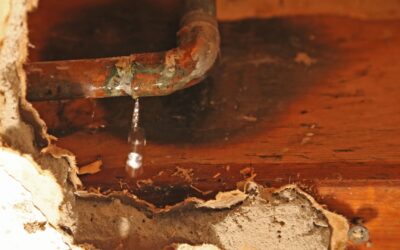
- Water pooling at the base of the tank or around fitting connections.
- Rust-colored water coming from the hot side only.
- A popping or rumbling sound from the tank, which often points to heavy sediment buildup.
- No hot water, or hot water that runs out much faster than usual.
- A pilot light that will not stay lit, on gas units.
- An error code displayed on a tankless unit’s control panel.
Some parts of a water heater are not something to check or adjust yourself. This includes the gas connection, the burner assembly, which is the part that lights and burns the gas, the electrical wiring, and the temperature and pressure relief valve, a safety valve that releases pressure if the tank overheats. These require training to inspect or repair safely. Contact a licensed plumber for this work.
What a Professional Maintenance Visit May Include
A maintenance visit for a tank unit typically includes flushing sediment from the tank, checking the anode rod, testing the temperature and pressure relief valve, and inspecting connections and the venting system on gas units. A maintenance visit for a tankless unit typically includes descaling the heat exchanger, checking the inlet water filter, and inspecting venting and combustion components on gas models.
The specific scope follows the manufacturer’s service recommendations for your unit, rather than a generalized checklist.
What You Can Monitor Safely
Between service visits, you can safely monitor a few things without opening up any components.
Watch for changes in how quickly hot water runs out, unusual noise from the tank, and water pooling anywhere near the unit. Note the age of the water heater itself, since most tank units last 8 to 12 years and tankless units often last longer. Keep the area around the unit clear, and confirm nothing stored nearby blocks airflow or access.
None of this replaces a professional inspection. It gives you an early signal that something has changed and is worth a call, rather than waiting until the unit fails outright.
Maintenance, Repair, or Replacement
These three situations call for different responses.
Maintenance covers routine upkeep with no active problem: flushing a tank, descaling a tankless unit, or a scheduled component check following manufacturer guidance.
Repair applies when a specific component fails on equipment that otherwise still works well. A failed heating element, a faulty thermostat, or a pressure relief valve that needs replacing are common examples. The unit as a whole remains a reasonable investment.
Replacement tends to make more sense when the tank itself is leaking, when failures keep recurring, when corrosion is extensive, when parts are no longer available, when a condition is unsafe, or when continued repair costs approach the price of a new unit. For more detail on how that decision plays out in practice, see hot water troubles: when to repair or replace your water heater.
Royal Flush Plumbing is a veteran-owned, family-operated plumbing company licensed in Washington, ROYALFP787R1, providing water heater maintenance, repair, and installation in Tacoma and the surrounding area. Call (253) 366-2904 to schedule a water heater service visit.