10 Plumbing Mistakes to Avoid For New Home Construction
Building a new home is an exciting endeavor, but it also comes with its share of challenges, especially when it comes to plumbing. Mistakes in plumbing design and installation can lead to costly repairs and headaches down the road. At Royal Flush Plumbing LLC in Tacoma, we understand the importance of getting your plumbing project right the first time. In this blog, we'll share expert advice on how to avoid ten common plumbing mistakes for new home builds.
1. Improper Ventilation
One of the most common mistakes in new home plumbing is inadequate ventilation. Poorly ventilated plumbing systems can lead to foul odors, slow drainage, and even health hazards due to the buildup of harmful gases. Ensure that your plumbing design includes proper venting for all fixtures to maintain optimal airflow and prevent issues.
2. Incorrect Pipe Sizing
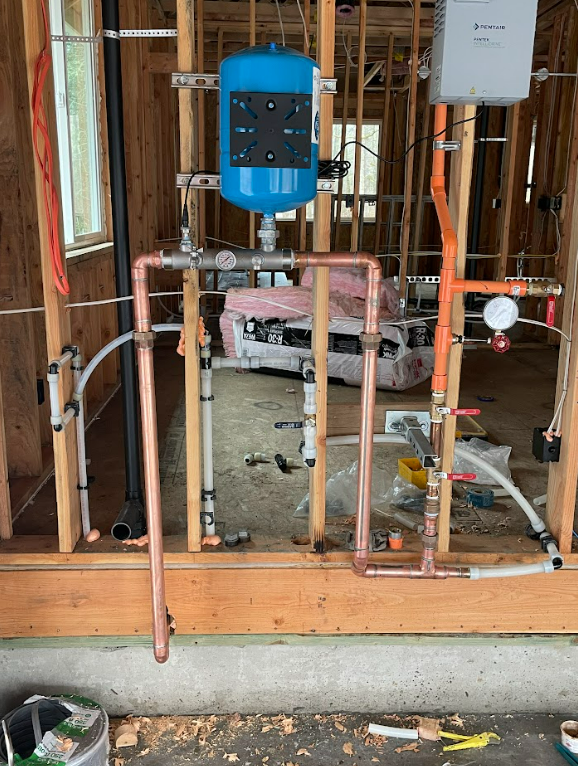
Using incorrect pipe sizes can result in water pressure problems, leaks, and inefficiencies. It’s essential to follow plumbing codes and guidelines when determining the size and type of pipes needed for each fixture and water supply line. For instance, avoid connecting copper pipe to incompatible materials like galvanized metal pipes. Additionally, be cautious of over-tightening black pipe, as it can crack the fitting and cause a potential flood. Consulting with experienced plumbers like Royal Flush Plumbing LLC can help ensure proper pipe sizing and avoid plumbing problems for optimal performance.
3. Neglecting Backflow Prevention
Backflow occurs when contaminated water flows back into the clean water supply, posing serious health risks. Neglecting backflow prevention devices or improper installation can lead to water contamination and regulatory violations. Include backflow prevention measures in your plumbing design and work with certified professionals to install and maintain these devices.
What are the top 3 plumbing issues that can cause a backflow?
- Cross-Connections: A cross-connection occurs when a potable water supply line is directly connected to a non-potable source, such as irrigation systems, fire sprinklers, or industrial equipment. If the pressure in the non-potable source exceeds the pressure in the potable water supply, contaminated water can flow backward into the clean water system. Proper backflow prevention devices, such as vacuum breakers and air gaps, are essential to prevent this.
- Pressure Changes in the Water Supply: Variations in water pressure, such as those caused by water main breaks, high demand, or pump failures, can lead to backflow conditions. When there is a sudden drop in pressure in the potable water supply, it can create a siphon effect, drawing contaminated water from non-potable sources back into the clean water system. Installing pressure-reducing valves and backflow preventers can mitigate this risk.
- Backsiphonage and Backpressure: Backsiphonage occurs when there is a negative pressure in the potable water system, while backpressure occurs when the pressure in a non-potable system exceeds that in the potable system. Backsiphonage can happen due to events like water main breaks or heavy water usage, creating a vacuum that pulls contaminants into the clean water system. Backpressure can result from high-pressure systems such as boilers or elevated tanks forcing contaminants into the potable water supply. Both scenarios require appropriate backflow prevention devices to ensure safe water quality.
To prevent these issues, it is crucial to implement and maintain backflow prevention measures such as check valves, air gaps, and reduced pressure zone (RPZ) assemblies in plumbing systems.
4. Poor Drainage Design
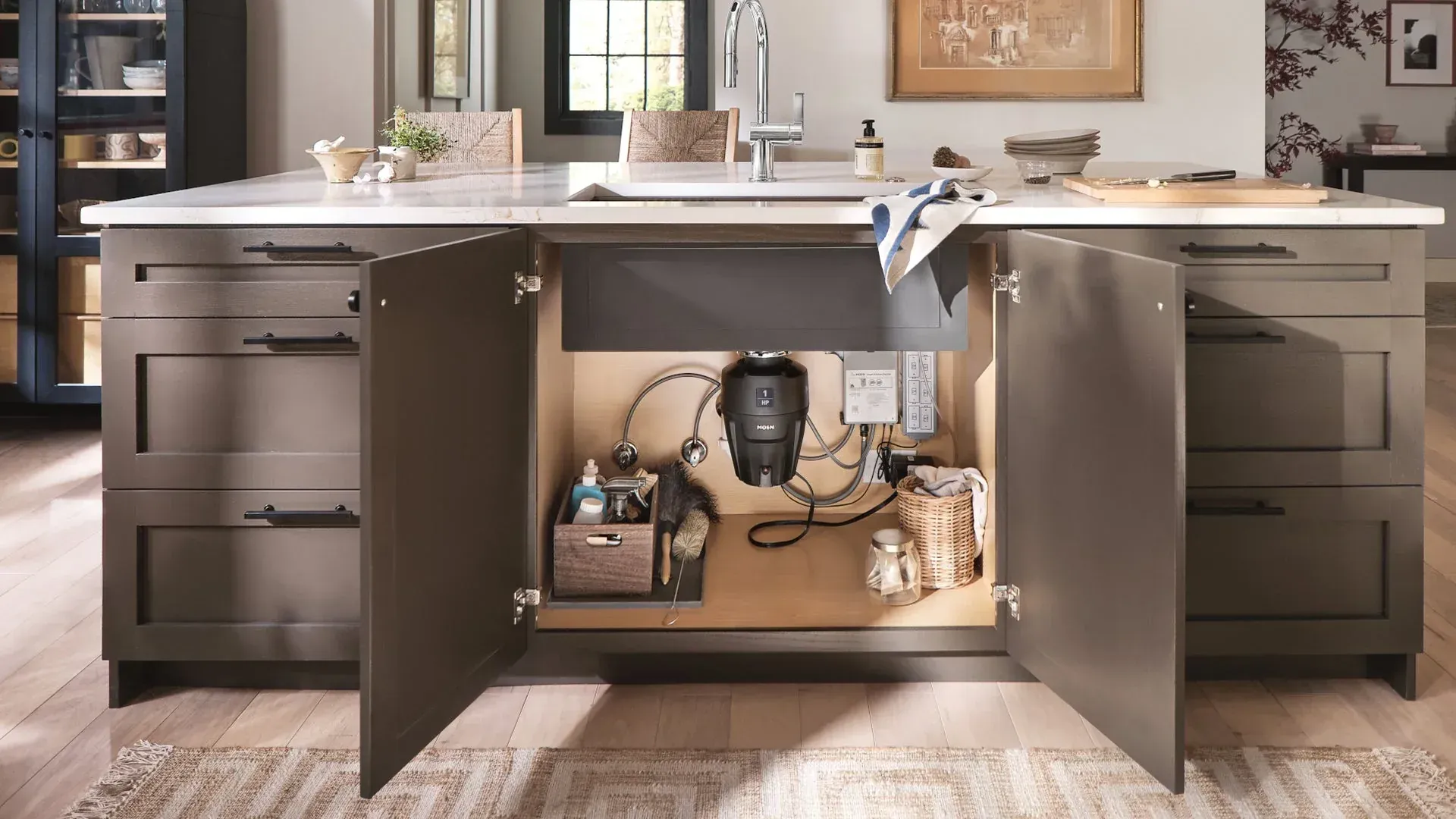
A well-designed drainage system is essential to prevent water backups, flooding, and water damage. Ensuring a properly sloped and sized drain line with the correct fittings such as wyes, tees, and elbows is crucial to avoid issues. Additionally, using a P-trap in plumbing fixtures is important to prevent water siphoning and sewer gas entry. Improper slope, inadequate drain placement, and lack of cleanouts can lead to drainage issues and costly repairs. Avoid treating the kitchen drain as a garbage disposal to prevent build-up issues. Work with experienced plumbers who understand the importance of proper drainage design and implementation.
Attempting DIY plumbing work without the necessary skills and knowledge can lead to disastrous results. From improper pipe connections to faulty installations, DIY mistakes can result in leaks, floods, and safety hazards. Using too much drain cleaner, especially in the wrong places, can cause significant damage to pipes and plumbing fixtures. Overuse and misuse of commercial drain cleaners can lead to harsh chemical damage to your plumbing system. Harsh chemicals like drain cleaners can deteriorate pipes over time. It’s advisable to use liquid drain cleaner sparingly and try more natural methods first. Additionally, saddle valves are prone to leaking and are banned in most places as they do not meet current plumbing codes; use Tee fittings or ball valves instead to avoid potential problems and leaks. Avoid overtightening connections, including supply tubes and toilet bolts, to prevent cracks and leaks. When fixing a stuck shut off valve, be
5. Ignoring Water Pressure Regulation
Excessive water pressure can damage pipes, fixtures, and appliances over time. Ignoring water pressure regulation or using incorrect pressure-reducing valves can result in leaks, bursts, and premature wear and tear. Ensure that your plumbing system includes proper pressure regulation to protect your investment and prolong the lifespan of your plumbing components.
6. Inadequate Insulation
In colder climates like Tacoma, WA, inadequate insulation of pipes can lead to frozen pipes and potential bursts during winter months. Properly insulate exposed pipes, especially in attics, crawl spaces, and exterior walls, to prevent freezing and costly water damage.
7. Common Plumbing Mistakes (DIY)
Attempting DIY plumbing work without the necessary skills and knowledge can lead to disastrous results. From improper pipe connections to faulty installations, DIY mistakes can result in leaks, floods, and safety hazards. Using too much drain cleaner, especially in the wrong places, can cause significant damage to pipes and plumbing fixtures. Overuse and misuse of commercial drain cleaners can lead to harsh chemical damage to your plumbing system. Harsh chemicals like drain cleaners can deteriorate pipes over time. It’s advisable to use liquid drain cleaner sparingly and try more natural methods first. Additionally, saddle valves are prone to leaking and are banned in most places as they do not meet current plumbing codes; use Tee fittings or ball valves instead to avoid potential problems and leaks. Avoid overtightening connections, including supply tubes and toilet bolts, to prevent cracks and leaks. When fixing a stuck shut off valve, be
8. Overlooking Future Expansion Needs
Failing to plan for future plumbing expansions or changes can be a significant oversight. Whether it's adding a bathroom, expanding a kitchen, or installing new appliances, it's essential to anticipate potential future needs. Including extra supply lines, drainage connections, and accessible shut-off valves can save time and money down the line. Many homeowners want to add a utility sink in their garage after a home is built. Will this be easy to do in your new home? Your plumbing layout and decision making can make all the difference.
9. Incorrect Pipe Material Selection
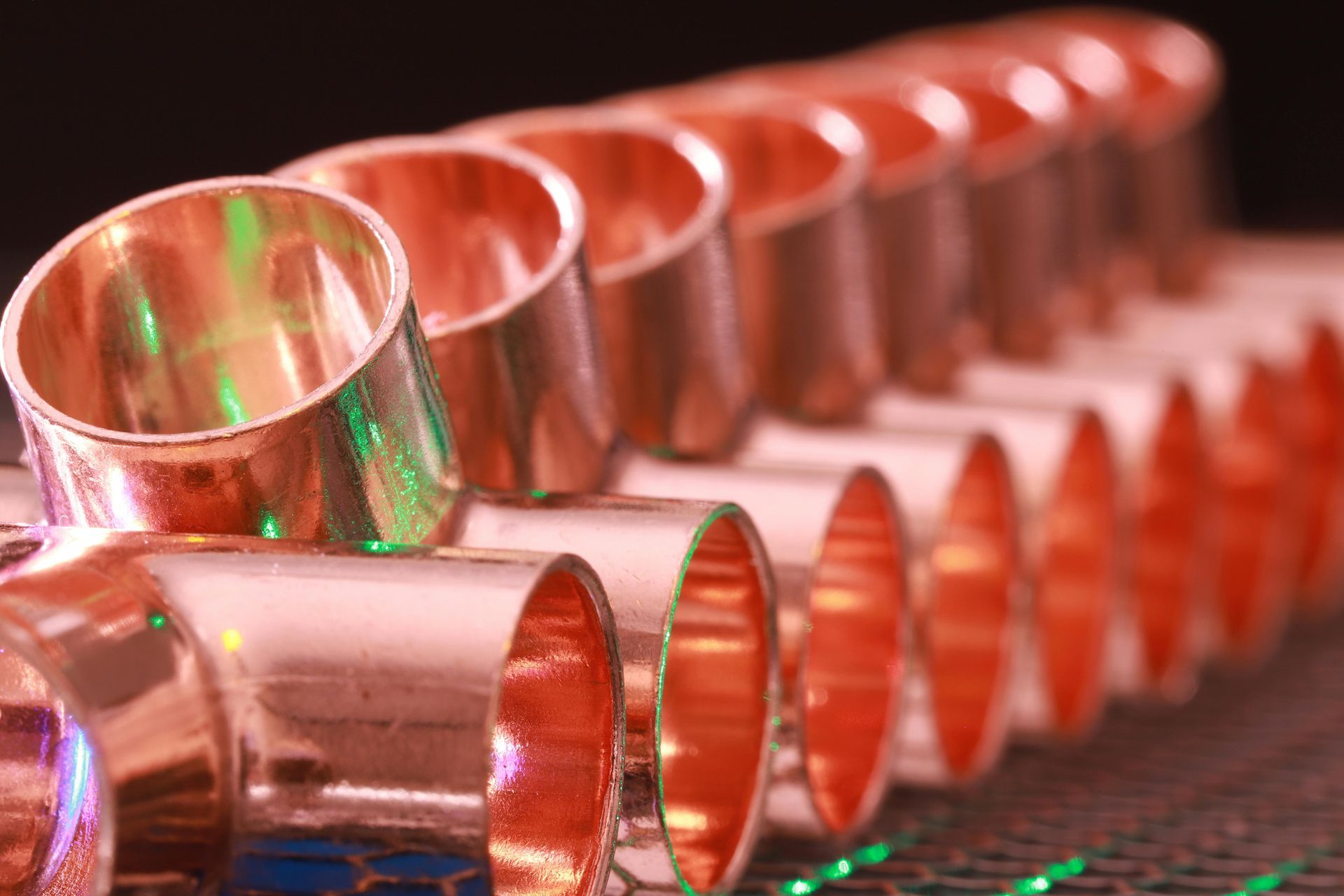
Choosing the wrong pipe material for specific applications can lead to premature failure and other issues. For example, using PVC pipes or plastic pipes for hot water lines or not considering the corrosive nature of certain water supplies can cause leaks and contamination. Ensure that you select the appropriate materials for different parts of the plumbing system based on usage, temperature, and local water quality. You'll want to check your local building codes or work with a licensed plumber to be sure that you use the proper pipe material. Each of these materials below suits specific applications based on factors such as water pressure, temperature, installation environment, and budget.
What are the most common plumbing pipe materials?
- Copper
- PVC (Polyvinyl Chloride)
- CPVC (Chlorinated Polyvinyl Chloride)
- PEX (Cross-linked Polyethylene)
- Galvanized Steel
- ABS (Acrylonitrile Butadiene Styrene)
- Stainless Steel
- Cast Iron
10. Improper Fixture Installation
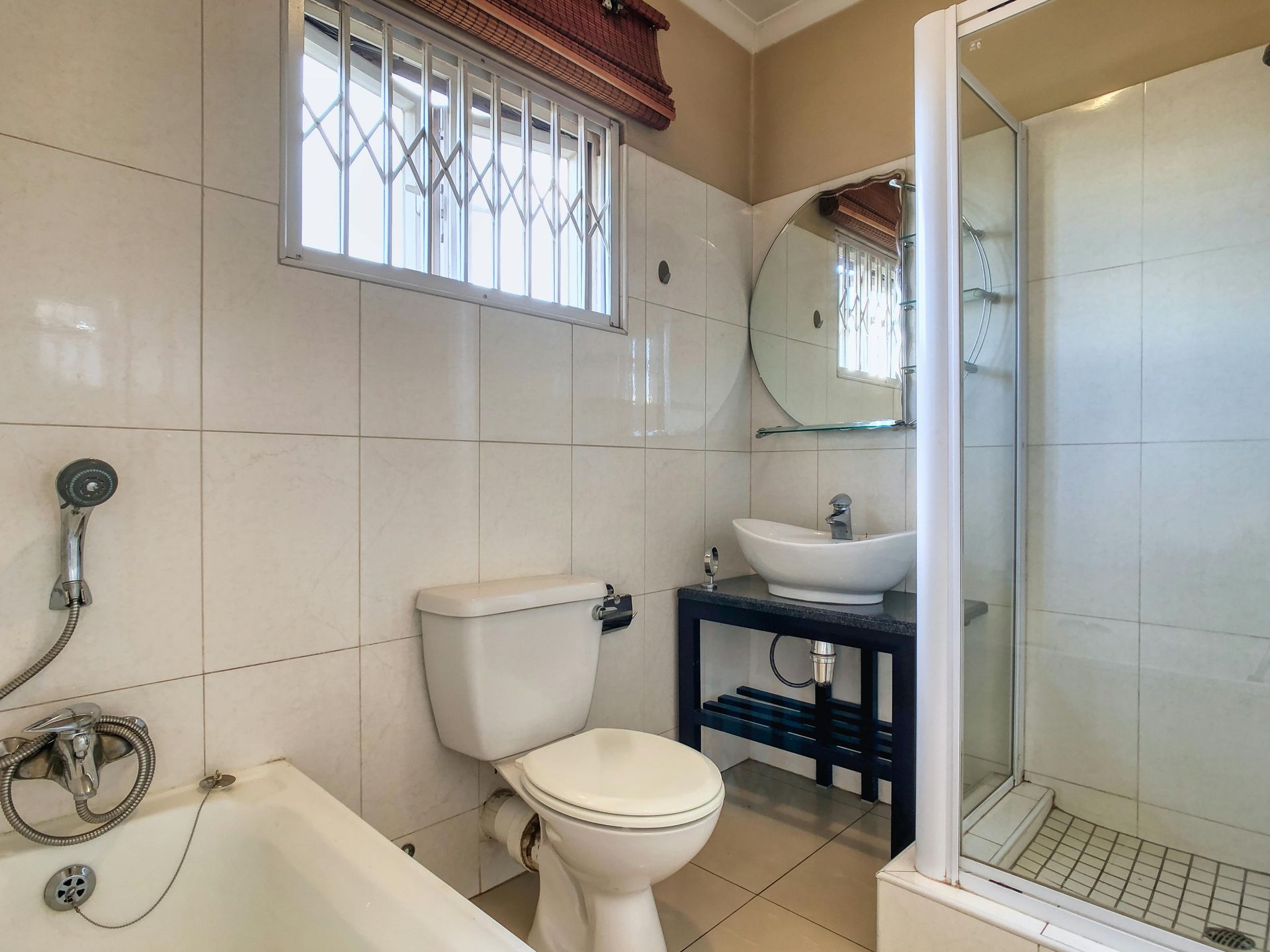
Incorrect installation of fixtures such as sinks, toilets, and showers can result in leaks, poor functionality, and water damage. Common issues include using the wrong sealants, failing to secure fixtures properly, or not aligning them correctly with the plumbing connections. Always follow manufacturer instructions and hire skilled professionals to ensure fixtures are installed correctly and securely.
By avoiding these 10 common plumbing mistakes and working with experienced local professional plumber like Royal Flush Plumbing LLC, you can enjoy a reliable and efficient plumbing system in your new home. Contact us today for expert rough in or new construction plumbing services and peace of mind in Tacoma, WA and nearby area.
Share This Article: